Twist-reading comprehension games bring a refreshing approach to learning by merging fun with essential reading skills. These innovative games not only enhance comprehension but also engage students in a way that traditional methods often fail to achieve.
Designed to stimulate cognitive growth, twist-reading games encourage critical thinking while making the learning process enjoyable. With popular examples already taking classrooms by storm, they highlight the power of play in education.
Understanding Twist-Reading Comprehension Games
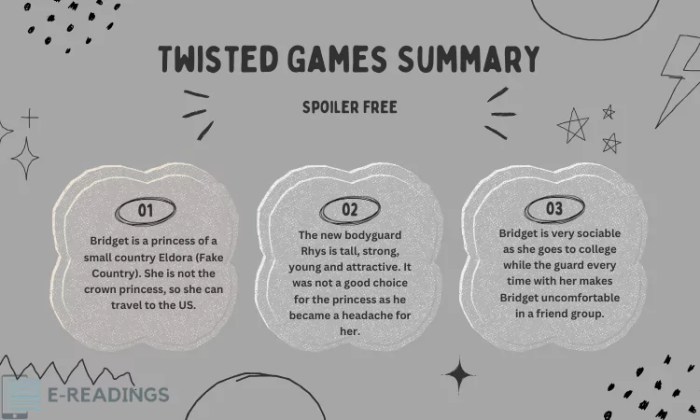
Twist-reading comprehension games have become a popular and effective method for enhancing students’ reading skills. These games introduce unique twists to traditional comprehension exercises, making learning more engaging and enjoyable. The primary purpose of these games is to improve students’ reading comprehension abilities while fostering critical thinking and creativity.The cognitive benefits of incorporating twist-reading comprehension games into educational settings are significant.
These games not only help students understand and retain information better but also encourage them to think outside the box. For instance, they promote active participation and collaboration among peers, which enhances social learning. Popular examples of twist-reading comprehension games include “Reading Relay,” where students race to answer questions after reading passages, and “Story Cubes,” where dice with pictures prompt students to create stories based on what they read.
The Role of Fun in Education
Incorporating fun into educational activities is essential for maintaining student engagement and motivation. When students enjoy what they are doing, they are more likely to participate actively and retain information. Fun elements in educational activities can reduce anxiety and create a positive learning environment.Several methods can be employed to integrate delightful elements into twist-reading games. For example, educators can use themes that resonate with students’ interests, incorporate technology like interactive apps, or introduce gamification techniques like rewards and badges.
Enjoyment in learning not only enhances comprehension but also encourages students to explore subjects further.
Educational Challenges and Solutions
Despite the benefits of twist-reading comprehension games, educators often face challenges when implementing them. Common obstacles include limited resources, resistance from students who prefer traditional methods, and difficulty in aligning games with educational standards. To overcome these challenges, educators can adopt several solutions. Providing training and resources for teachers can help them feel more comfortable integrating games into their lesson plans.
Additionally, involving students in the design process can increase their buy-in and enthusiasm for the games. By avoiding educational traps, such as focusing too heavily on competition without collaboration, teachers can ensure a smoother integration process.
Techniques for Effective Game Design
Effective twist-reading comprehension games share several essential components. These include clear objectives, engaging narratives, and mechanics that promote active participation. A well-designed game should also be adaptable to different learning levels.Strategies for engaging students through game mechanics can include the use of storylines that resonate, challenges that require teamwork, and interactive elements that require hands-on participation. A framework for incorporating educational content seamlessly into games involves aligning game objectives with learning goals, ensuring that students not only play but also learn integral skills.
Engaging Diverse Learners
Adapting twist-reading games to cater to various learning styles is crucial for inclusivity. Students learn differently; some may thrive in collaborative settings while others may prefer independent tasks. Techniques to ensure all students are engaged include offering different roles within group activities, using multimedia resources for varied learning preferences, and ensuring clear instructions are available for all abilities. By comparing approaches like differentiated instruction and universal design for learning, educators can create games that are accessible and enjoyable for everyone.
Creative Twists in Education
Adding zany twists to traditional reading comprehension activities can make them more appealing. For instance, transforming a standard quiz into a scavenger hunt where students find clues related to a text can enhance engagement. Innovative ways to keep educational content fresh may include integrating current events into reading materials or using popular culture references that students can relate to. A fun twist on a classic reading comprehension game could involve using props or costumes to enact scenes from a story, encouraging students to immerse themselves in the reading material creatively.
Implementing Feedback and Improvement
Feedback is a key element in the educational gaming process, allowing for continuous improvement. Gathering student feedback on twist-reading games can provide insights into what works and what doesn’t, leading to better-designed activities.Methods for evaluating the effectiveness of games in enhancing reading comprehension include surveys, focus groups, and observational assessments. By regularly seeking input from students, educators can fine-tune games to meet learning objectives more effectively.
Collaboration and Competition in Games
Collaboration can significantly enhance learning within twist-reading games. By working together, students can share ideas and strategies, enriching their understanding of the material. Designing competitive elements that motivate students can also be beneficial. For example, incorporating team-based challenges where groups compete to answer questions can foster a sense of community and excitement. Organizing these activities in a way that emphasizes teamwork over individual success can lead to a more supportive learning environment.
Last Point
In summary, twist-reading comprehension games represent a significant shift in educational practices, emphasizing the importance of enjoyment in learning. By overcoming challenges and adapting to diverse learners, educators can foster an environment where reading comprehension flourishes through creativity and collaboration.
Expert Answers
What are twist-reading comprehension games?
They are interactive and engaging games designed to enhance reading comprehension through fun and creative twists.
How do these games benefit students?
They improve cognitive skills, increase engagement, and make learning enjoyable, which aids retention.
Can these games be used for different learning styles?
Yes, twist-reading games can be adapted to cater to various learning preferences, ensuring inclusivity.
What are common challenges in implementing these games?
Some challenges include lack of resources, resistance to change, and ensuring accessibility for all students.
How can feedback improve these games?
Collecting and analyzing student feedback can help educators refine game mechanics and enhance the overall learning experience.


